Accessible Port Activities
Limited mobility does not have to mean staying on board. How to find port activities that work, and the questions to ask first.
Plan My Port DaysStart With the Port Itself
The biggest factor for accessible cruise port activities is how you get ashore. Ports where the ship docks at a pier usually allow guests with mobility aids to disembark by gangway. Tender ports are harder: transferring to a small boat may not be possible for some wheelchair users, depending on the sea and the tender. Check your itinerary for tender ports when choosing the cruise, and ask the line about its policy.
Activities That Often Work
- Panoramic coach tours with accessible vehicles (ask about lifts or ramps).
- Level waterfront promenades and modern town centres.
- Scenic rail journeys with accessible carriages.
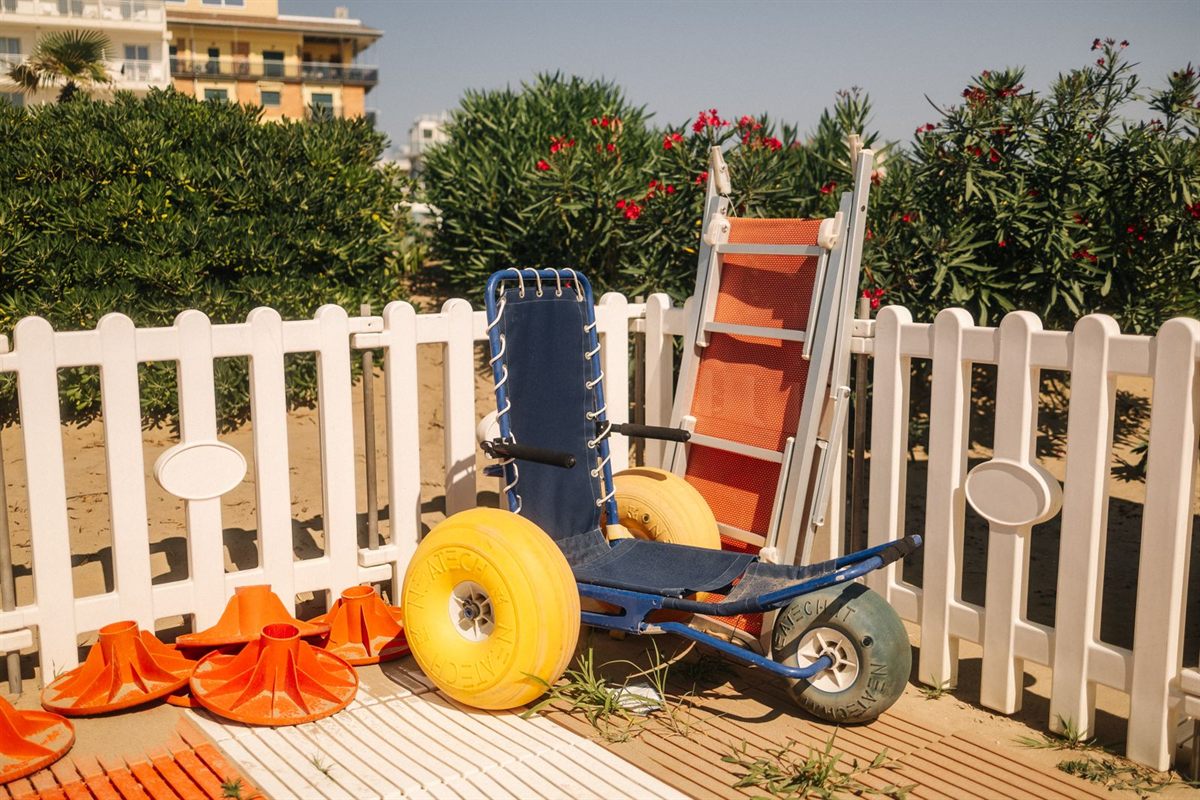
- Beaches with boardwalks or beach wheelchairs, where available.
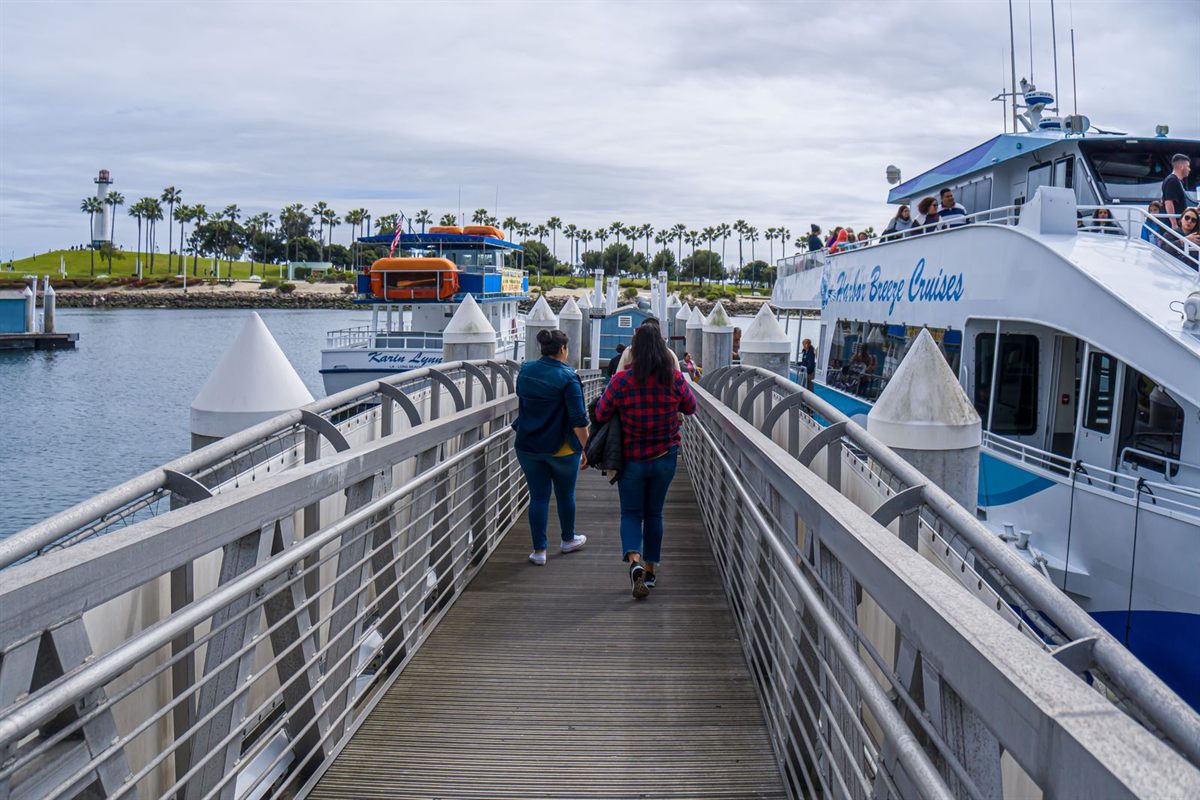
- Boat trips with step-free boarding.
- Museums with lifts and accessible routes.
Questions to Ask Before Booking
- Is the vehicle wheelchair accessible, and can it carry a scooter?
- How far is the walk from the pier to the start point?
- Are there steps, cobblestones or steep slopes on the route?
- Are accessible toilets available during the tour?
- Can a companion join, and can the pace be adjusted?
Ship Tours or Private Arrangements
Cruise lines usually mark tours with activity levels and sometimes flag ones suited to limited mobility. Private drivers and small operators can be more flexible but vary widely in equipment. Either way, ask the questions above in writing.
Our sister site Accessible Ocean Cruises covers accessible cabins, ships and ports in depth. For tours port by port, see Caribbean Cruise Ports, Alaska Port Excursions, Europe Port Excursions, Asia Shore Excursions and South America Shore Excursions. The Official Travel Directory and Best of the USA list more travel services for planning around the cruise.
Planning Ahead With the Cruise Line
Tell the cruise line about mobility needs when you book, not at the pier. Most lines have an accessibility team or a special needs form that records equipment such as wheelchairs or scooters, and they can tell you how each port is likely to work for you. Ask specifically about tender ports and the line’s rules for tendering with mobility aids.
It also helps to choose itineraries with more pier ports than tender ports, to bring a lightweight folding wheelchair for port days even if you use a scooter on board, and to plan for heat, which can make even short distances tiring. A companion who knows your needs makes independent exploring far easier. Where you want a private guide, look for operators who list accessible vehicles and describe their routes clearly, and get every promise in writing.
Above all, give yourself extra time. A relaxed accessible port day with one or two highlights is usually more enjoyable than a packed one.
Travellers with hearing or vision impairments, or with medical equipment such as oxygen, should also tell the line early and ask tour operators how they can help.
Share what worked and what did not with the line afterwards; feedback helps improve port arrangements for the next guests.
Plan Accessible Port Days
Tell us about mobility needs on the quote form, and a Mister Cruise advisor will check ports and tours with you.
Plan Accessible Ports