Food Tours and Cultural Walks in Port
Taste a port’s markets and walk its old streets. The easy-paced port day that often turns out to be the most memorable.
Plan My Port DaysWhy Food Tours Work So Well in Port
A port day is short, and food is a quick way into a place. A guided tasting walk visits a market, a bakery, a street-food stand and a café in a few hours, with a local guide explaining what you are eating and why it matters there. In Europe that might be tapas or pastries; in Asia, night-market snacks; in the Caribbean, jerk stands and rum. Cooking classes go a step further and send you back to the ship with a recipe.
Choosing a Food Tour
- Tell the operator about allergies and dietary needs when booking.
- Small groups usually mean more time talking with vendors.
- Check how much walking is involved and whether there are stairs.
- Go easy on breakfast aboard: most tours serve plenty.
Old Towns and Cultural Walks
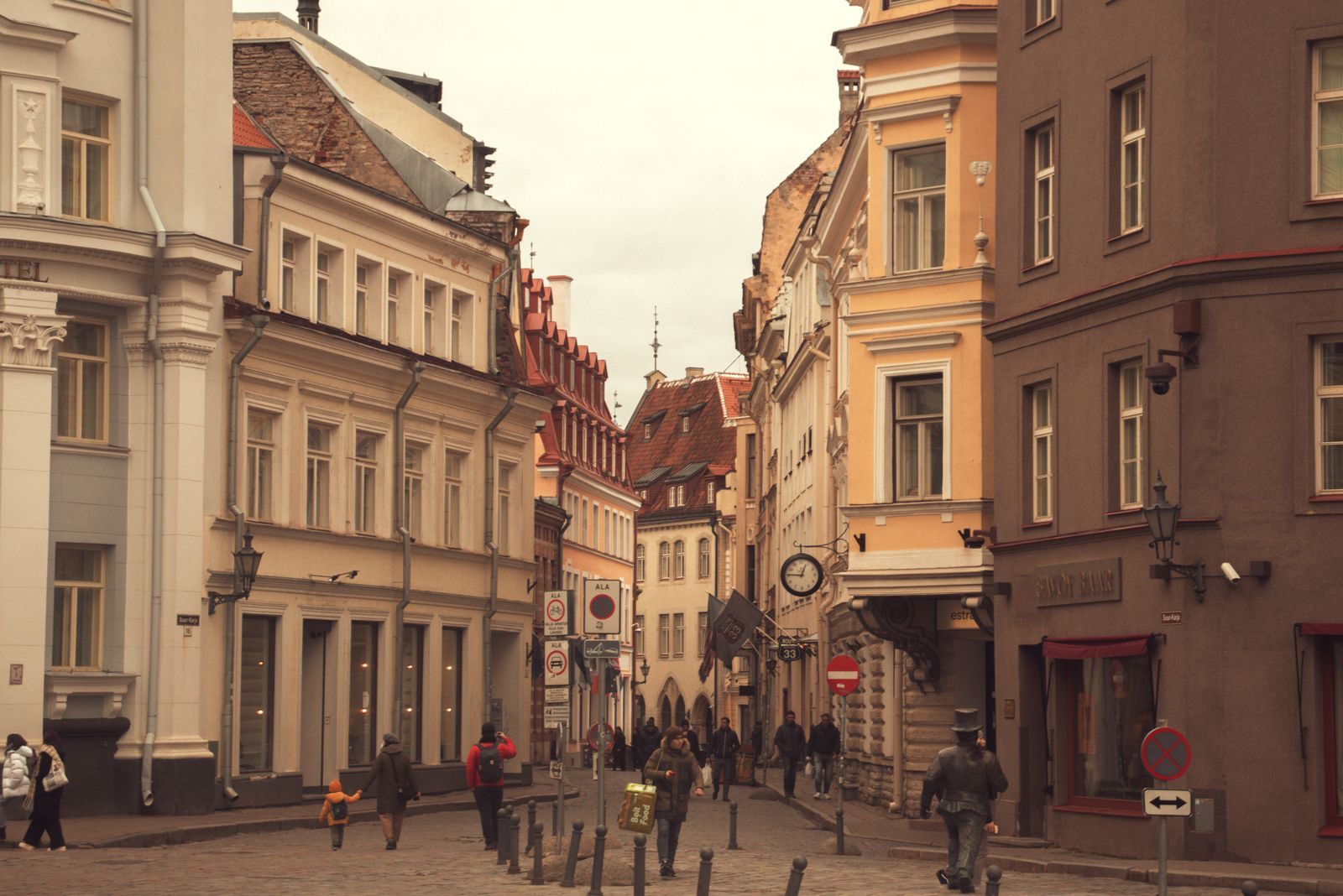
Many cruise ports are historic cities: Dubrovnik, Lisbon, Cartagena, Tallinn, Charleston. A guided walk covers the main sights in a few hours and leaves time to explore on your own. Museums, cathedrals and archaeological sites often need timed tickets in busy months, so book them ahead if they are the point of your day. Respect dress codes for religious sites and carry a light layer to cover shoulders.
Pairing the Two
The best culture days often combine both: a walking tour in the morning, lunch in a local spot and an afternoon on your own. Port-by-port options are on Europe Port Excursions for Europe and Asia Shore Excursions for Asia, and the region pages on Shore Activities cover the rest.
Good for Mixed Groups
Food and culture walks suit grandparents, teenagers and everyone between: easy pace, frequent stops and plenty to talk about. For anyone with limited mobility, see accessible port activities.
Market Manners and Cooking Classes
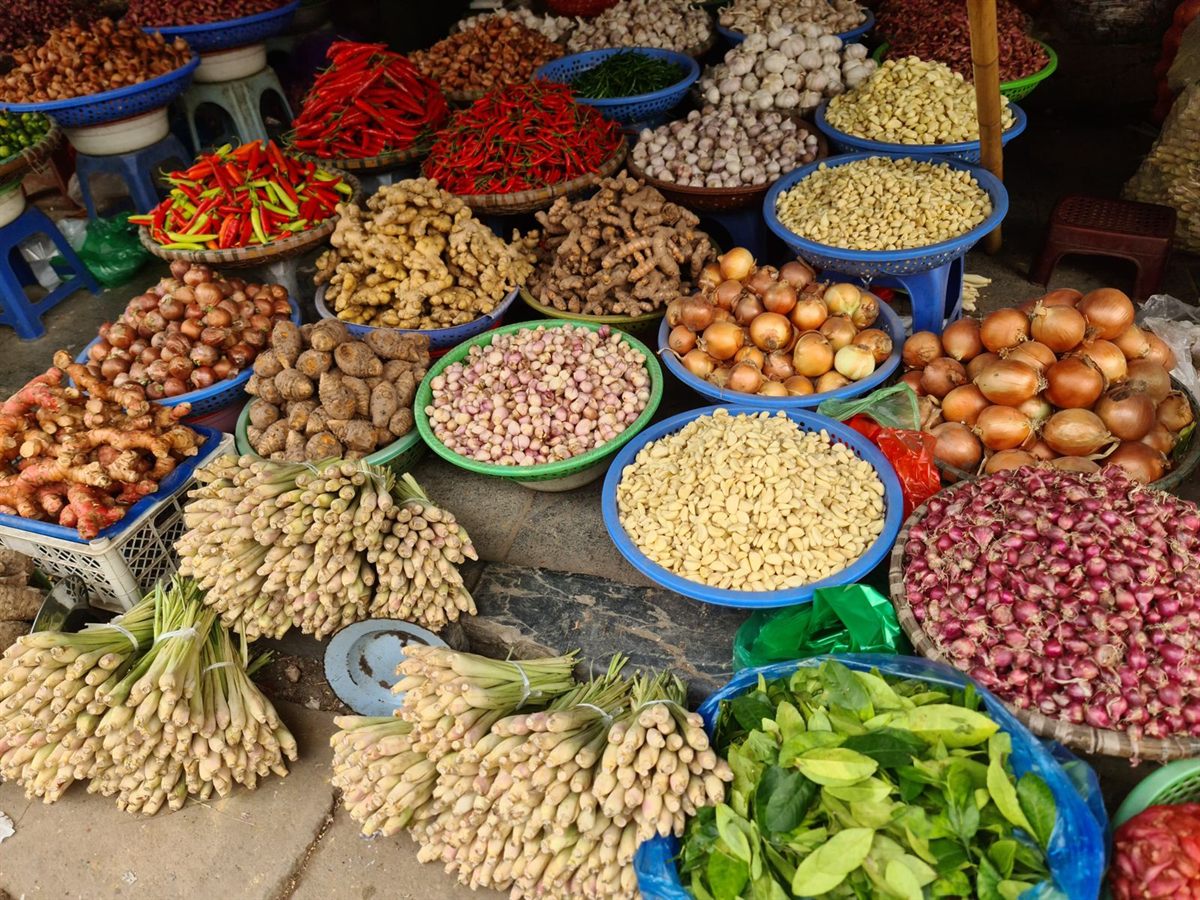
Markets are working places as well as sights. Ask before photographing vendors, buy something small if you linger at a stall, and carry small notes and coins. Some ports have strict rules about bringing fresh food back aboard; eat it ashore rather than packing it.
Cooking classes usually start with a market visit, then move to a kitchen where you prepare and eat a few local dishes. They suit travellers who like hands-on days and do not mind a slower pace. Classes are small and fill early, so they are worth booking well ahead on popular itineraries. Check the finishing time against the ship’s schedule, because a class that runs long can squeeze the walk back to the pier.
Self-Guided Options
Many historic ports are walkable from the pier. A printed map, a list of three or four sights and a café stop make a satisfying self-guided half day; join a guided tour instead where context matters, such as archaeological sites.
Finish with a coffee near the pier rather than deep in town; it keeps the walk back short and relaxed.
Plan a Tasting or Culture Day
A Mister Cruise advisor can point you to the ports on your itinerary best suited to food and history.
Ask About Food Tours